

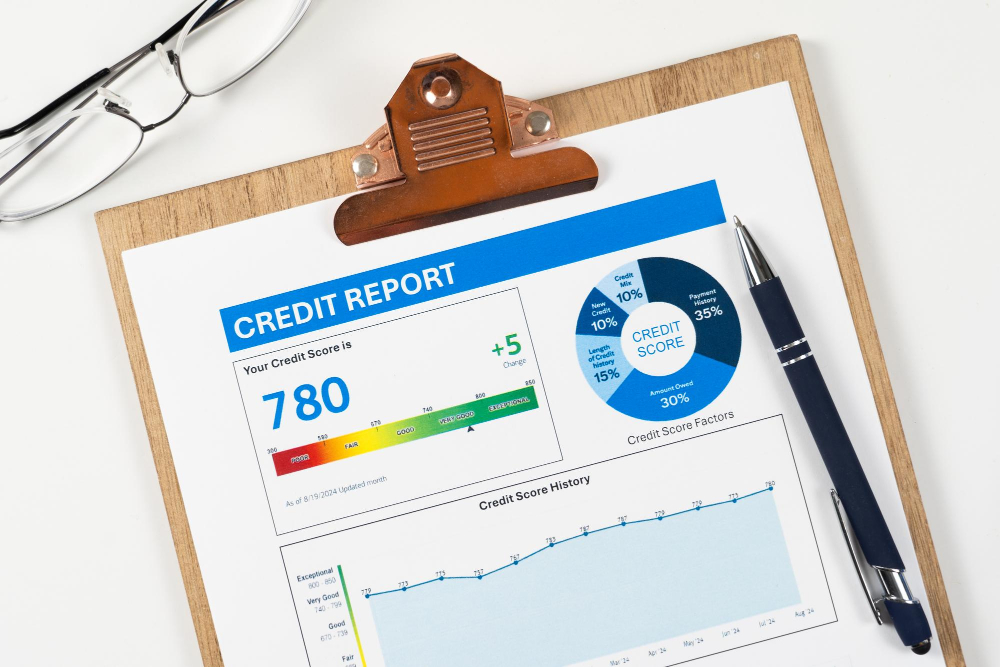
You check your credit report, and something is off. There are addresses you have never lived at, accounts you never opened, and debts that have nothing to do with you.
The instinct is to panic, but the situation may be more common than you think. If you are dealing with this in New York, learning how to separate credit reports in New York is the first step toward sorting it out.
What It Means to Separate Credit Reports in New York
What you are likely looking at is called a mixed credit file. This happens when a credit bureau’s matching system incorrectly pulls another person’s financial data into your report. Nobody stole your identity. The bureau’s algorithm simply treated two separate people as a single person.
It is a well-documented problem. Credit bureaus manage over 200 million credit files, and their matching systems do not require an exact match to link accounts to your file. Family members who received sequential SSNs, people with common names, and anyone who has shared a past address with someone of a similar name are all at higher risk.
How to Tell If Your File Has Been Mixed
The distribution of errors across your three reports is one of the clearest signals. Pull your reports from Equifax, Experian, and TransUnion through AnnualCreditReport.com and compare them carefully. Here is what to look for:
- Accounts you do not recognize, especially from creditors you have never contacted
- Addresses where you have never lived
- Inquiries from companies you have never applied to
- A sudden, unexplained drop in your credit score
- Employment history that does not match yours
If the unfamiliar accounts appear on only one bureau’s report, a mixed file is the more probable explanation. If the same unknown accounts show up across all three, identity theft becomes more likely. The distinction matters because your response to each situation is different.
What the FCRA Requires Bureaus to Do
The Fair Credit Reporting Act is the federal law that governs how credit bureaus handle your information. Under Section 1681e(b), bureaus are required to follow reasonable procedures to achieve maximum possible accuracy. Under Section 1681i, once you file a dispute, they must conduct a reasonable investigation, typically within 30 days.
The catch is that bureaus do not always get this right on the first attempt. An error can be corrected, only to reappear in a future report if the underlying matching algorithm keeps pulling the same data back in. A dispute can be closed without a meaningful investigation. When that happens, the FCRA does not leave consumers without options.
When the Dispute Process Stalls
If a bureau fails to correct a verified error, you may be entitled to actual damages, statutory damages, and attorney’s fees under the FCRA. These cases are regularly handled on a contingency basis, often meaning there is no upfront cost to pursue legal action.
At Sherman & Ticchio PLLC, we can help you review your credit reports and manage the dispute process. We are prepared to represent consumers in litigation against bureaus and furnishers that fail to meet their obligations under federal law.
Take the Next Step with a Free Consultation
The sooner you identify the problem and act on it, the less damage it can do to your financial opportunities. If you have spotted errors you cannot explain, reach out to our team for a free consultation.