

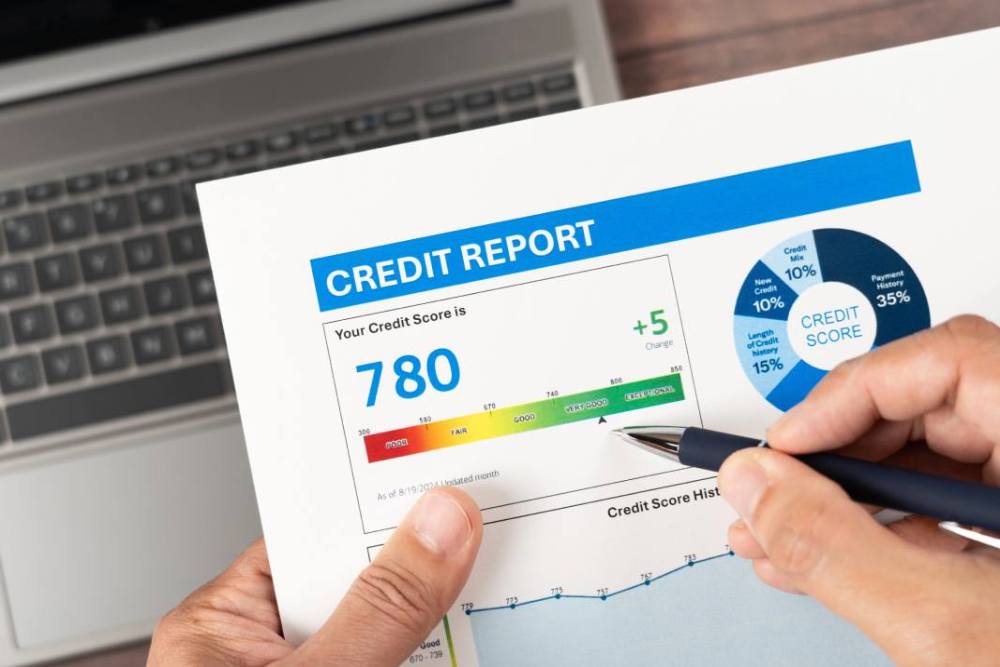
Credit reports influence many everyday decisions, from renting an apartment to applying for a job that involves financial responsibilities. People reach out to us at Sherman & Ticchio PLLC when they discover unfamiliar inquiries on their reports and want to understand how those inquiries came about.It’s common to feel unsettled when a new inquiry appears without warning, and that leads many to ask a straightforward question that deserves a clear and approachable explanation: Can someone run your credit report without you knowing about it?
You might assume that a credit check always requires permission, yet federal law outlines several situations where a company may review your report without asking for a signature first. Some situations are routine and harmless, while others may indicate identity theft, a mixed credit file, or an error during a background screening for a job.
Understanding the Rules Behind Credit Report Access
The Fair Credit Reporting Act (FCRA) sets the framework for credit reporting in the United States. It controls who may access a report, when that access may happen, and how companies must handle your information. The law gives consumers protections that apply to both hard inquiries and soft inquiries, but the consent requirements differ.
What Counts as a Permissible Purpose?
A credit bureau cannot share your information unless the request fits a “permissible purpose.” Several common examples include:
- Reviewing a loan or credit card application
- Screening an applicant for a job with financial duties
- Evaluating an insurance application
- Reviewing an account you already hold
- Conducting a preapproval assessment for a promotional offer
Some of these situations require your written permission, while others do not. The type of inquiry determines which category it falls into, which makes it helpful to understand how soft and hard pulls operate.
Soft Vs. Hard Inquiries: Why the Difference Matters
Soft Inquiries
Soft inquiries happen when someone checks your credit for informational or marketing purposes. They can occur without asking for permission and do not affect your credit score. You might see soft pulls when:
- A lender screens consumers for preapproved offers
- An insurance company wants to understand broad risk patterns
- You review your own credit file
- A financial institution checks on an existing account
These inquiries appear only to you and give companies an overview of your credit behavior without granting them full access to your score in every scenario.
Hard Inquiries
Hard inquiries occur when you apply for new credit, and a lender needs full access to your report. These checks can lower your score slightly and stay on your report for two years.
Hard pulls usually require permission. When one appears that you did not authorize, the situation may involve a clerical mistake, identity theft, or an error linked to a background screening.
Applicants may first notice unfamiliar inquiries after a potential employer runs a check, which is why we often hear from job seekers who want help understanding background check litigation and how credit reporting fits into those reviews.
How Soft Inquiries Happen Without Permission
Soft inquiries can occur when:
- A company wants to send a promotional offer
- A financial institution checks your credit for account management
- A business runs a background check as part of a non-lending process
Since these inquiries do not affect your score, the impact is minimal. People often only notice them when reviewing their reports after spotting financial inconsistencies or when dealing with identity issues.
Preapproved Offers and Screening Lists
Credit card companies and insurers routinely request lists of consumers who match certain criteria. These reviews are part of a marketing process and appear as soft pulls. You can opt out of these offers, but the inquiries themselves do not hurt your credit.
When Hard Inquiries Happen Without Permission
A hard inquiry without notice is far less common and usually falls into a narrow set of legally supported situations. Hard inquiries that do not fall into these categories deserve closer attention, particularly when they appear alongside other inaccuracies. In our credit report litigation work, we often see situations where an unauthorized inquiry is the first sign of a larger problem.
Reading Your Credit Report to Understand What Happened
Credit reports hold more information than most people expect, and understanding the inquiry section can help you trace the source of a questionable check.
Where to Look
Visit www.AnnualCreditReport.com to request weekly reports from Equifax, Experian, and TransUnion. Once you have your reports, review the inquiries section to see:
- Which businesses accessed your report
- Whether each access was a soft or hard inquiry
- The date the inquiry occurred
Why Only One Bureau Might Show an Inquiry
Companies select the bureau they use for screenings. If a lender only works with Experian, for instance, the inquiry will not appear on your TransUnion or Equifax reports. This is normal and does not indicate a problem.
Why Unauthorized Credit Checks Occur
These situations below can feel confusing, but spotting them early can prevent further harm.
- Clerical Errors: A credit bureau may match the wrong file to a request because of a similar name or overlapping identifiers.
- Identity Theft: If someone tries to open credit in your name, a hard inquiry often appears before the fraudulent account shows up.
- Mixed Credit Files: If your report contains information belonging to someone else with a similar profile, unfamiliar inquiries may appear without warning.
- System or Data Transfer Issues: Large institutions sometimes encounter data-sync issues that result in accidental or duplicate pulls.
What You Can Do if Someone Accessed Your Report Without Permission
Review and Document the Issue
Write down the date of the inquiry, the company involved, and any related details in your report.
File a Dispute
You can dispute inaccurate inquiries with the credit bureaus. Explain why the inquiry is incorrect and request that it be removed. Supporting documents help strengthen a dispute, such as correspondence showing you did not authorize a credit pull.
Monitor for Other Problems
Unauthorized inquiries often reveal a bigger issue. Watch for unfamiliar addresses, accounts, or alerts on your report.
Place a Fraud Alert or Security Freeze
A fraud alert asks lenders to verify your identity before opening new credit. A freeze blocks access entirely until you lift it and provides additional protection when identity theft is suspected.
Seek Legal Guidance
If the inquiry caused financial harm or violated the FCRA, you may have a claim. Consumers sometimes qualify for damages when a company accesses their report without a permissible purpose.
How Sherman & Ticchio PLLC Supports Consumers Facing Unauthorized Credit Checks
Unauthorized credit checks can surface at the most inconvenient times; during apartment searches, job screenings, loan applications, or attempts to reopen financial accounts after a reporting error. We speak with individuals who discover these issues alongside identity theft, mistaken-deceased reporting, or background screening mistakes that affect employment opportunities.
Our work focuses on helping consumers understand what happened, evaluate their options under the FCRA, and pursue action when a company accesses a credit report without a valid purpose. We do not guarantee outcomes, yet we can guide you through a process that often feels overwhelming. Let’s help you correct errors that interfere with your opportunities.
Found an inquiry you didn’t expect or believe your credit report contains broader inaccuracies? Contact us so we can talk through your situation and discuss what steps may support your next move.