
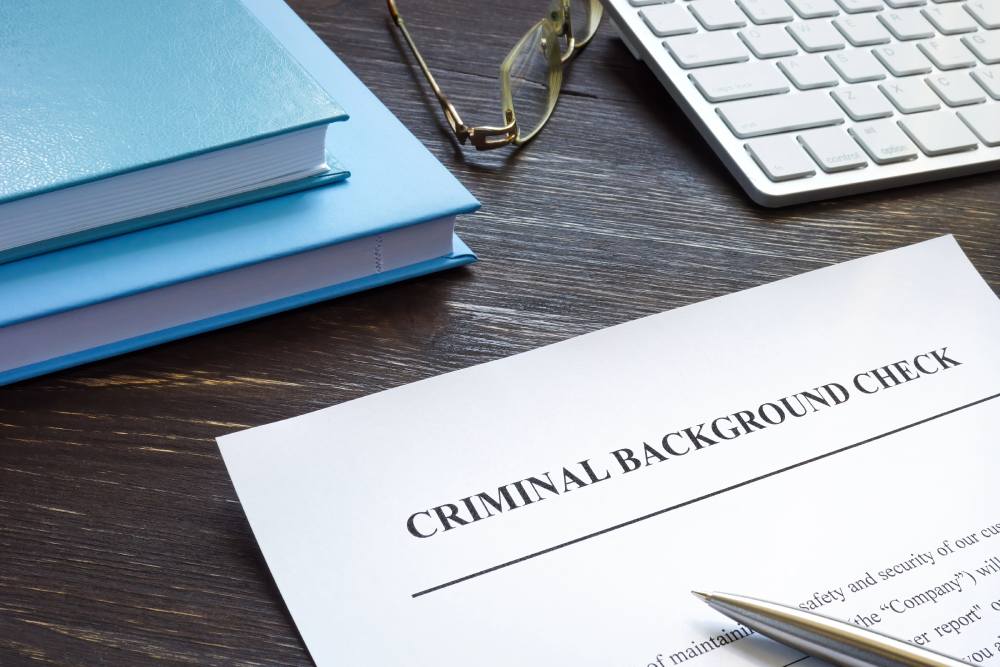
Job applicants spend countless hours preparing resumes, gathering references, and rehearsing interviews, so it can feel unfair when something outside their control disrupts the process.
Many people reach out to us at Sherman & Ticchio PLLC after learning that their background report contains information that does not belong to them. That discovery often happens at the worst possible time, usually when the applicant feels excited about a role and expects the final steps to move smoothly.
Understanding what employment background checks show gives applicants a clearer picture of how these reports work and why errors appear, which can help them respond more effectively when something looks wrong.
Modern screening tools gather data from many sources, and that creates room for mix-ups. Applicants do not always know that a screening company may pull information from federal, state, and county records, commercial databases, educational institutions, or credit agencies.
The large volume of data makes mistakes more likely, especially when a person shares a common name or when someone else’s activity becomes linked to the wrong file. We often see applicants struggle with the emotional weight of a mistake that threatens their offer, and they want to know how this happened in the first place.
Below, we walk through the most common parts of a background check so applicants can better understand what might appear on a report and how mistakes occur. We also explain why federal law protects them when inaccurate information creates harm.
What Do Employment Background Checks Show for Job Applicants?
Background checks for employment draw on many public and private sources, depending on the role, industry, and level of risk. These reports aim to confirm the information that applicants provide during the hiring process.
In practice, they often include identity details, employment dates, educational history, criminal court records, and, sometimes, financial information. Screening companies produce these reports quickly, which increases the likelihood that a file may contain outdated or mixed data.
Applicants usually see the following categories in a standard screening report:
- Identity verification
- Employment history
- Education records
- Criminal court information
- Driving history for certain roles
- Drug test results
- Credit reports when the position involves financial duties
Understanding how these categories work makes it easier to identify mistakes and take action when something looks inaccurate.
Identity Information in a Background Check
Identity verification forms the base of a background report because it helps confirm that the applicant is the person linked to the records that follow. Reports often show a name match, date of birth, and address history. They may also reveal any variations that match databases used during the search.
How Identity Details Go Wrong
Identity errors appear more often than many applicants expect. A single typo in a Social Security number, a misspelled name, or outdated address data can connect the applicant to records belonging to someone else. These mistakes commonly cause:
- Criminal records tied to the wrong individual
- Addresses that the applicant never lived at
- Aliases that do not belong to the applicant
When a report presents identity information that looks unfamiliar, it may signal a mixed file or incomplete search. Applicants often feel alarmed when a report lists someone else’s activity under their name, yet these errors can be challenged under the Fair Credit Reporting Act (FCRA).
If the reporting agency refuses to correct the mistake, applicants may explore background check litigation to address the harm caused.
Employment History Findings
Employment history verification remains one of the most important sections for hiring managers because it helps confirm past roles and responsibilities. Reports often list job titles, dates of employment, and sometimes job descriptions.
Why Employment History Errors Appear
Mistakes occur when screening companies use outdated databases, incomplete employer records, or information pulled from sources that do not match the applicant’s timeline. Errors commonly include:
- Wrong employment dates
- Missing jobs
- Duplicate listings
- Incorrect titles
- Jobs the applicant never held
An inaccurate employment history can raise concerns during the hiring process because it may appear as if the applicant misrepresented their experience. Applicants who face negative consequences from this type of error can dispute the information and request corrections through the reporting agency.
Education Verification Results
Education verification matters for positions that require specific certifications or degrees. Reports may confirm the type of credential, the institution attended, or graduation dates.
When Education Records Become Inaccurate
Some institutions respond slowly to verification requests, which leads some screening companies to rely on third-party databases. Because these databases are not always complete, applicants may see:
- Degrees marked as incomplete
- Incorrect graduation dates
- Omitted certificates
- Duplicate entries
These mistakes can affect hiring decisions in roles that require strict credential verification. Applicants facing this issue have the right to dispute the error and request updated information.
Criminal Court Records in Background Checks
Criminal court record searches tend to draw the most concern for applicants. These checks gather information from county, state, and federal systems. Reports may include felony convictions, misdemeanor charges, warrants, dismissed cases, or pending matters.
Why Criminal Record Errors Happen
Criminal court records often produce the highest number of mixed files because:
- Many individuals share common names
- Some courts update records slowly
- Screening companies may rely on database snapshots rather than current data
Applicants sometimes discover charges or convictions that belong to a completely different person. Others see sealed or expunged records. Criminal record inaccuracies carry serious consequences during hiring, and applicants may pursue legal remedies when harmful mistakes violate federal law.
Credit Reports Used for Employment Screening
Some employers request credit checks for positions involving financial responsibilities. These reports may include account histories, repayment patterns, or public records related to past financial matters.
How Credit Errors Influence the Hiring Process
Credit-related mistakes may arise from identity theft, outdated information, or accounts belonging to someone with a similar name.
Certain applicants first learn about these issues when a background check reveals financial activity they never initiated. When credit-related errors extend beyond the hiring process, applicants may look into credit report litigation to address the ongoing impact on their financial lives.
Drug Testing and Driving Records
Some jobs require drug tests or driving history reviews. Drug tests typically involve laboratory samples, while driving records may show license status, violations, or commercial endorsements.
Common Issues in These Categories
Drug test mismatches are possible when laboratories mix samples or when data is assigned incorrectly. Driving record errors may involve outdated entries that should have been removed. Applicants who notice these issues can challenge them through the reporting agency.
Digital Footprint Checks
Modern hiring sometimes involves reviewing publicly available online activity. This may include social media posts or online profiles, although not all employers use this method.
Risks Associated with Digital Screening
Digital content often lacks context or accuracy. Applicants may find that a report includes:
- Old information
- Posts from unrelated individuals
- Misinterpreted public data
When a digital screening tool incorporates inaccurate material into a background report, applicants can dispute the content if it violates federal reporting standards.
What Employers See in Background Checks and How Inaccuracies Can Hurt Applicants
A background check is meant to help employers verify information, yet inaccuracies can create serious barriers for applicants. Reports often include:
- Identity details
- Criminal court information
- Employment data
- Education records
- Drug test results
- Driving history
- Credit reports for certain roles
The Impact on Applicants
When a report includes false or misleading information, applicants often experience delays, revoked job offers, or confusion about their next steps. Many people feel stuck because they do not know how to challenge the information or how the dispute process works.
The FCRA gives applicants the right to review and dispute inaccurate reports, yet some agencies fail to update the file even after a dispute. When this occurs, applicants may be entitled to pursue legal action to address the harm.
How Applicants Typically Discover Background Check Errors
Most applicants learn about a background check issue when a hiring manager pauses the process or sends an FCRA-required notice. These notices may include:
- A pre-adverse action letter
- A copy of the background check
- A summary of the applicant’s rights
If the applicant does not respond or if the issue remains unresolved, the employer may follow with a final adverse action notice. These steps give applicants a chance to dispute the information and provide context.
Why These Errors Occur
Large screening companies often process thousands of checks at once, which increases the risk of human error. Many rely on automated searches that match similar names or addresses without confirming identity details, so mismatched data becomes far more likely.
Identity theft also plays a major role in inaccurate reporting. Fraudulent activity can appear under an applicant’s name even when they never opened the account. Some applicants also face a rare but severe issue: being mistakenly reported as deceased. That error often results in frozen accounts, denied applications, and confusion from lenders or employers. We work with individuals who experience these consequences and help them pursue remedies under federal law.
What Applicants Can Do if a Background Check Looks Wrong
Applicants have clear rights under the FCRA. They can:
- Request a copy of the background check
- Dispute inaccuracies with the reporting agency
- Request that the reporting agency correct or delete false information
- Follow up if the issue remains unresolved
- Pursue legal remedies if the agency fails to meet its obligations
Applicants should never feel that they must navigate this process alone. When a report contains damaging errors and the reporting agency refuses to correct them, legal action may become necessary.
Moving Forward When a Background Check Creates Unexpected Problems
Background checks play a large part in the hiring process, yet applicants often feel blindsided when the report contains information that does not belong to them. Understanding what employment background checks reveal helps people catch errors early, protect their opportunities, and respond with more direction.
At Sherman & Ticchio PLLC, we help applicants respond to these situations with the support needed to push past unlawful reporting practices. People come to us when reports list criminal records linked to someone else, inaccurate employment data, identity theft entries, or even the rare but damaging error of being reported as deceased. When inaccurate reporting harms your job search, you may be entitled to pursue remedies under federal law.
If you discovered a background check mistake and need guidance, reach out to us. Let’s review your situation and help you understand your next steps.